




The Fight Isn’t Over: The Arc Responds to Historic Federal Budget Cuts to Medicaid

On July 6, 2025, President Trump signed into law H.R.1—the nearly 900-page Budget Act”—a sweeping federal budget that slashes essential supports for millions of Americans while expanding immigration enforcement. The bill passed narrowly through Congress, with the House voting 218-214 and the Senate relying on a tie-breaking vote from Vice President J.D. Vance. Every Democrat and two House Republicans opposed the measure.

For California, home to one of the largest disability populations in the nation, the consequences of this budget are immediate and devastating.

The new law cuts nearly $1 trillion from Medicaid over ten years, with California alone projected to lose about $23 billion in federal funding. These cuts will pressure the state to reduce services, narrow eligibility, and potentially leave thousands of Californians with developmental disabilities without the home and community-based services (HCBS) they rely on to live with dignity and independence.

Additional provisions slash funding for the Supplemental Nutrition Assistance Program (SNAP), putting food security at risk for millions—including children, seniors, and people with disabilities. Special education is also under threat as new federal dollars can now be diverted to private schools that are not bound by the Individuals with Disabilities Education Act (IDEA) or other vital protections. This undermines decades of progress toward inclusive education.

“This is a dark time for people with disabilities and their families,” said Katy Neas, CEO of The Arc of the United States in a budget summary. “This bill puts essential supports at risk for millions. Health care, food assistance, and special education services that people rely on every day are now in jeopardy. Families will feel it in their homes, their schools, and their communities. But we are not giving up. The Arc and our nationwide network of advocates will keep going. We will never stop fighting for the policies people with disabilities deserve.”

Here in California, the frustration is palpable. “This is a land shift,” said Jordan Lindsey, Executive Director of The Arc of California in a video message last week. “The cuts to Medicaid are drastic, the cuts to food assistance massive, and the changes to education threaten inclusive opportunities for our children. It’s incredibly frustrating because so many of the representatives who voted for this bill once stood shoulder to shoulder with the disability community. We did everything we could—rallies, outreach, direct action—but the powers pushing this bill were too strong.”

Lindsey added, “If you are angry, if you are afraid, those feelings are valid. But this is not the end of the story. The disability community has always been a powerful force for change. We will continue this fight for a California and a country where every person has the chance to pursue happiness, safety, and inclusion. The Arc of California will be there every step of the way.”

The Arc of California urges all community members to stay informed, raise their voices, and join advocacy efforts to protect the essential services that allow individuals with disabilities to live full, meaningful lives in their communities.

In the coming weeks, we will be working with state legislators to finding solutions that will lessen the impact of these cuts on our system of services.

In the meantime, if you are a constituent in any of the following districts, it’s important to let them know that they should be ashamed of themselves for voting to support one of the most harmful bills to people with disabilities in American history, and to express your sincere disappointment in their actions. Here are the members of Congress in California who supported the budget bill:

For more information on how you can get involved, visit https://thearcca.org/advocacy/take-action/.

In the Final Hours: Parents Urge Members of Congress to Protect Medicaid

Negotiations in the U.S. Senate continue this week as members of Congress make efforts to meet the July 4th deadline set by the President to submit a reconciled budget bill for his signature.

As Senators debate the proposed $1 trillion in cuts to Medicaid in the Senate version of the bill, the disability community still has time to put pressure on their legislators to DO THE RIGHT THING and protect Medicaid from any cuts. Once the Senate agree on their version of the budget it will head back to the House of Representatives for consideration.

Thank you to parent-advocates Pat from San Francisco, CA, Danielle from Cypress, CA and Lynn from Arroyo Grande, CA for speaking out and recording a powerful message to members of Congress demonstrating the impact these cuts would have on the lives of their sons with disabilities. Click HERE to watch their video message.

The following members of the U.S. House of Representatives have previously voted in SUPPORT of massive cuts to Medicaid in their version of the megabill:

Our leaders need to hear from every one of us. Even if you’ve already called, emailed, or attended a rally or town hall—don’t let up now. Every voice and every action counts!

The Senate is likely voting today or tomorrow, and we need to act now! Please take 2 minutes today to contact your members of Congress: https://bit.ly/3I45yIr

The Senate’s bill, if passed, would cut $1 trillion from Medicaid, hurting millions of people with disabilities, families, and older adults.

  • Nearly 17 million people could lose health insurance.
  • States simply won’t have the money to fund the care and services that people with disabilities need.
  • More people will go hungry, including millions of kids.

We must stop this! TAKE ACTION NOW! https://bit.ly/3I45yIr 

Protecting Disability Communities: The Arc of California Responds to Federal Immigration Data Sharing with ICE Agents

It has been reported to The Arc of California that disability service providers in California have been targeted by ICE and that both the participants with disabilities and the direct support staff are being questioned.  Additionally, the Associated Press reported that the federal Centers for Medicare and Medicaid Services, known as CMS, this week provided Medicaid information for several states, including California, to deportation officials at the federal Department of Homeland Security.  CMS serves as the focal point for federal health insurance programs such as Medicaid (Medi-Cal in California). These critical health coverage programs serve millions of families, children, pregnant women, adults without children, and also seniors and people living with disabilities.

We do not know exactly what information was shared, but this is what we do know:

    • Families within our collective disability community are living in fear.
    • Regional centers are committed to providing services for all clients, regardless of their immigration status.
    • Regional centers do not track undocumented individuals and are NOT involved in immigration enforcement.
    • Regional centers have been instructed by the California Department of Developmental Services (DDS) to reach out to certain individuals and families to make sure urgent needs are addressed and services can continue.
    • Regional centers will prioritize requests for Individual Program Plan (IPP) and Individual and Family Service Plan (IFSP) updates to help with changing family needs, like more time at home or not going to summer school or summer programs.
    • Allow meetings, including IPP and IFSP meetings, to happen remotely using telephones or computers.
    • Expedite temporary housing and transportation assistance for displaced families

In response to the sharing of data between CMS and deportation officials, the California Health and Human Services Agency’s Secretary Kim Johnson has asked us to share the following message: “California’s system of developmental disability services is an entitlement for ALL eligible Californians with intellectual or developmental disabilities, regardless of who they are. We take very seriously our obligation to follow state and federal laws that protect your information and limit when and how it can be shared.”   Governor Gavin Newsom also published a response to this major violation of privacy.

The Arc of California calls on our community, including regional centers and all service providers, to courageously provide information to any and all families that may be impacted or fearful at this time.

El Arc de California and Congreso Familiar will be hosting a live webinar with Immigration Attorney Meredith Brown on Wednesday, June 18 from 1:00 to 2:00 p.m. via Zoom.  The webinar will be conducted in Spanish with English interpretation.  Get your questions answered and learn how you can be prepared for interactions with ICE agents.  Click HERE to register.

Here are some resources to stay informed and help navigate this situation:

At The Arc of California, we stand firmly with immigrant families in our disability community. You are not alone. Regional centers and service providers across the state are committed to protecting your rights, ensuring continued access to services, and standing against fear and discrimination. No matter your immigration status, you are valued, and you deserve to live with dignity, safety, and support. Please use the resources provided, attend the upcoming webinar, and reach out if you need help. We are here for you—always.

U.S. House of Representatives Passes Budget that Includes Historic Cuts to Disability Services – What’s Next

Early last Thursday morning, the U.S. House of Representatives passed a budget reconciliation bill that slashes Medicaid and the Supplemental Nutrition Assistance Program (SNAP) — programs that millions of people with disabilities rely on to survive. In California, those programs include Medi-Cal, regional center services, In-Home Supportive Services (IHSS), early intervention services, school therapies, home health, Cal-Fresh food assistance, and much more.

The vote was along party lines with the exception of two Republicans, Representatives Warren Davidson of Ohio and Thomas Massie of Kentucky, who voted against the bill. Representative Andy Harris of Maryland, chairman of the Freedom Caucus, voted “present,” a protest vote. Despite massive efforts by advocates in California, not a single Republican in our state voted against the cuts, including Representative David Valadao (Bakersfield) who’s district has the most constituents on Medicaid (Medi-Cal) of any district in the country – by far.

The Arc of California urges the U.S. Senate to reject the Medicaid and SNAP cuts in the House passed bill that includes the following policies:

  • $715 billion in cuts to Medicaid that threaten access to health care and essential services. These cuts will impact all people covered by the Medicaid program, including people with disabilities, children, and older adults.
  • Combined with restrictions on Affordable Care Act marketplaces and the expiration of enhanced premium tax credits, these policies could result in 13.7 million people losing health insurance.
  • New administrative barriers that require people with coverage through Medicaid expansion will have to renew their eligibility two times a year, instead of once, which will increase the risk that people with disabilities will incorrectly lose coverage.
  •  $300 billion in cuts to SNAP, a nearly 30% reduction is the largest cut in the program’s history to critical food assistance.
  • New strict work requirements that are designed to reduce enrollment. Nearly 70% of Medicaid beneficiaries are working. A last-minute change to the bill speeds up the implementation of the work requirements.

The Arc will continue to educate every member of Congress on the life-and-death consequences of these cuts—and the need to protect Medicaid and SNAP.

What’s Next and Action Needed:

The bill now moves to the U.S. Senate where changes could be made – this is not over. The Senate is also planning to move quickly to develop their package of amendments. Members of Congress will be out on congressional recess all this week. The time is NOW to reach out to them and tell your story. We can’t stop now! The Arc’s summary of the House bill can be found here.

Hundreds of Disability Advocates Gathered at the Keep the Promise Rally in Sacramento

Last week, on May 22, more than 600 disability advocates gathered at the California State Capitol in Sacramento to participate in a powerful Keep the Promise Rally. Organized by The Lanterman Coali­tion, the event brought together individuals from across the state to voice their concerns about potential budget cuts threatening crucial services and supports for people with developmental disabilities and their families.

The rally featured an inspiring lineup of speakers from the disability community, including three legislative champions—Senators Tim Grayson, Shannon Grove, Suzette Valladares —who reaffirmed their commitment to defending disability programs. Attendees also heard heartfelt stories from self-advocates, parents, caregivers, and direct support professionals, emphasizing the importance of preserving funding to ensure that vulnerable populations continue to receive essential care as promised in The Lanterman Act of 1969.

In case you missed, FOX 40 News aired a story about the rally and shed light on why disability advocacy leaders are very concerned about the serious threats in both the federal and state budget proposals to make historic cuts to funding for programs such as Medicaid, Medi-Cal, Medicare, food assistance programs and regional center services that millions of people rely on to live full and equitable lives.

We want to acknowledge Futures Explored for providing professional video and photography services at the event.

  • Click HERE to view photos
  • Click HERE to view videos

Thank you to Momentum Refresh for bringing a mobile unit from Los Angeles area to the Capitol for an accessible restroom experience.

In summary, the rally underscores the urgent need for continued advocacy to protect the lifeline of services for 500,000 Californians with disabilities and their families.

Let’s keep demonstrating the power of our collective voice and demand our elected officials KEEP THE PROMISE! Join the effort, and click HERE to visit the action alert.

California Faces Cuts to Disability Services in Governor’s 2025-26 Budget Plan Amid Federal Medicaid Threats

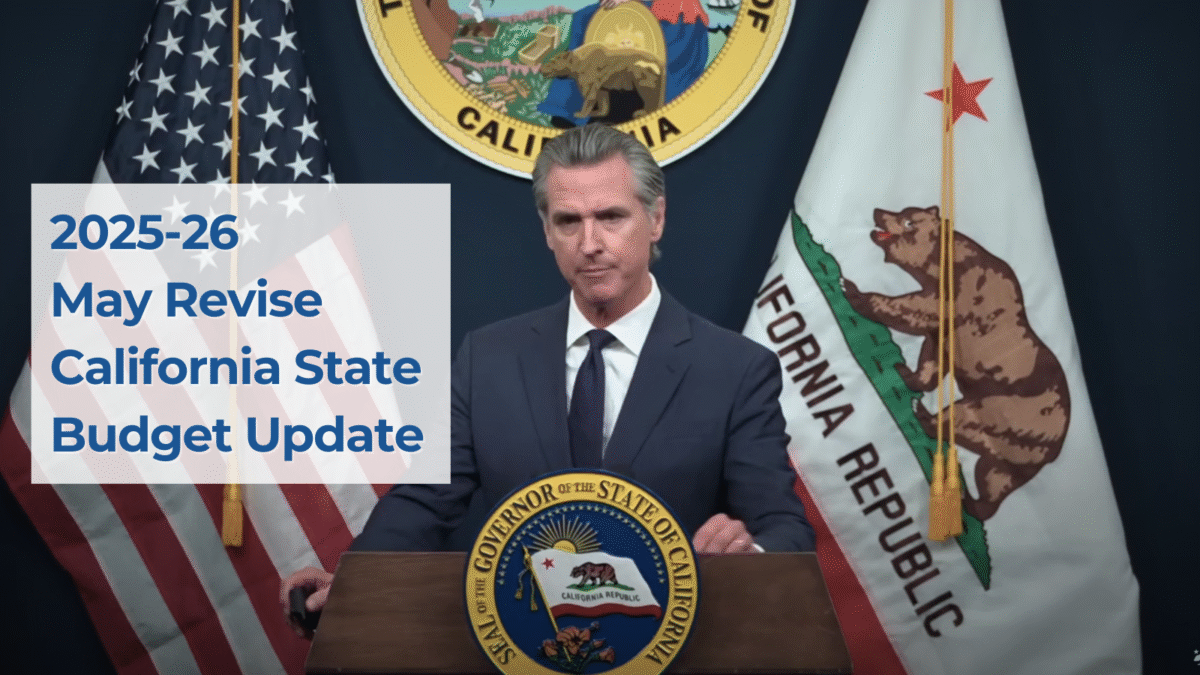
Governor Proposes Cuts to Disability Services in May Revise Budget Proposal

Today, California Governor Gavin Newsom announced the May Revise of the 2025-26 state budget proposal. This budget proposal includes major cuts overall to Medicaid-funded services and DOES NOT include any potential impacts from the federal budget currently being considered in Congress. This means that the overall picture could get much worse in the next few weeks if the federal budget passes as currently proposed by the House of Representatives, which includes a $715 billion cut to Medicaid services. While we knew we were in a fight to protect Medicaid at the federal level, we did not expect we would also have a fight at the state level to protect Medicaid funded services, such as regional center services, Medi-Cal, In-Home Supportive Services (IHSS), and more.

Overall, the Governor’ May Revise budget anticipates a $12 billion shortfall next fiscal year and attributes the shortfall to both increased expenses in the state and decreased revenues due to President Trump’s tariffs and other economic policies. The budget proposal will now be considered by the Legislature, who will likely push back on certain parts of the Governor’s budget and will eventually send a final negotiated state budget back to the Governor by June 15. The massive federal cuts proposed by Congress, however, make the entire budget process more uncertain this year and may necessitate a second budget in the summer.

Below is a summary of several proposed cuts in the Governor’s May Revise budget that, if enacted, would impact California’s disability community:

DEVELOPMENTAL SERVICES

  • Require Provider Mandates for Quality Incentive Program Eligibility—A reduction of $221.7 million General Fund in 2026-27 and ongoing associated with requiring compliance with Electronic Visit Verification, annual audits, and Home and Community-Based Services rules as a pre-condition of eligibility for the quality incentive component of the rate models.
  • Health and Safety Waiver Assistance—A reduction of $3 million ongoing General Fund to eliminate health and safety waiver application assistance.
  • Implicit Bias Training—A reduction of $5.6 million ongoing General Fund to eliminate dedicated resources for refreshing regional center implicit bias training.
  • Direct Service Professional Workforce Training and Development (also known as “DSP University” or “DSP 1, 2, & 3)—A reduction of $17.6 million General Fund in 2025-26 and 2026-27, and $36.8 million General Fund in 2027-28 and ongoing to eliminate the Direct Services Professional Workforce Training and Development program, which has not yet been implemented.
  • Self-Determination Program—A reduction of $22.5 million General Fund in 2025-26, and $45.5 million General Fund annually thereafter, to reflect new guardrails that will be imposed on individual spending budgets.
  • Rate Reform Hold Harmless—A reduction of $75 million General Fund in 2025-26 to reflect ending the rate reform hold harmless policy in February 2026 instead of June 30, 2026. This means that service providers with rates above what is listed in the DDS rate models will have their rates reduced to match the DDS rate models in February instead of July.

MEDI-CAL

  • Medi-Cal Asset Test Limits—Reinstatement of the Medi-Cal asset limit for seniors and disabled adults of $2,000 for an individual or $3,000 for a couple, effective no sooner than January 1, 2026. Estimated General Fund savings are $94 million in 2025-26, $540 million in 2026-27 and $791 million ongoing, inclusive of IHSS impacts. These asset limits were removed in 2024, meaning that a person could own more than $2000 in assets and still qualify for Medi-Cal. This proposal would reinstate those limits, meaning that if an individual owns more than $2000 in assets or if a couple owns more than $3000 in assets then they would not be eligible for Medi-Cal.
  • Undocumented Individuals – Freeze enrollment into full-scope Medi-Cal, eliminate dental and IHSS benefits, and implement a $100/month premium. The last couple years California has made efforts to provide Medi-Cal coverage and other benefits to all Californians, regardless of documentation status. This proposal would walk that back and freeze any enrollment moving forward while allowing those already enrolled to maintain their Medi-Cal eligibility but with a $100/month cost. This proposal would also walk back other benefits, making undocumented individuals not eligible for IHSS, dental benefits, and other long-term care benefits.

SSI/SSP – No cuts, no increases.

IN-HOME SUPPOR SERVICES (IHSS)

  • Cap IHSS provider overtime and travel hours at 50 hours per week beginning in 2025-26.
  • Eliminate IHSS benefit for undocumented individuals.
  • Those individuals who would no longer be eligible for Medi-Cal due to the Asset Test Limits would no longer be eligible for IHSS.

Click HERE to view and download the Budget Summary

WHAT’S NEXT?

Our fight to protect vital disability services for Californians IS NOT OVER! We must continue to let our state and federal elected officials understand how devastating these proposed cuts will be to thousands of individuals with disabilities and their families. Click HERE to record a message that we can share.

Join us and organizations across the state for the Keep the Promise Rally on Thursday, May 22 at the California State Capitol in Sacramento from 11:30 a.m. to 1:00 p.m. to make our voices heard! Learn more at rally.thelantermancoalition.org 

Why Medicaid Matters In Republican Districts

Currently Republican members of the U.S. Senate and House of Representatives are developing the specifics on how to cut Medicaid by hundreds of billions of dollars.  Their aim is to bring this cut to a vote by the end of May.  If it passes, millions of Californians would likely be impacted by massive reductions in Medicaid funded services, such as Medi-Cal, regional center services, In-Home Supportive Services, Home and Community Based Services, prescriptions, Early Intervention and school therapies for children, and more.

All nine of California’s Republican members of Congress have recently voted to approve a blueprint for these devastating cuts.  When the specifics of these proposed cuts are finalized then all nine of these members of Congress will likely have one more opportunity to vote to slash Medicaid or to protect Medicaid.

So why does Medicaid matter in their districts?

The fact sheets below display who would be impacted in districts with Republican representatives, including the exact number of individuals that rely on various Medicaid funded services.

This week, rallies are being planned in each of the republican districts urging those members of Congress to REJECT any cuts to Medicaid-funded programs and services.

Click HERE to view full list of planned rallies.

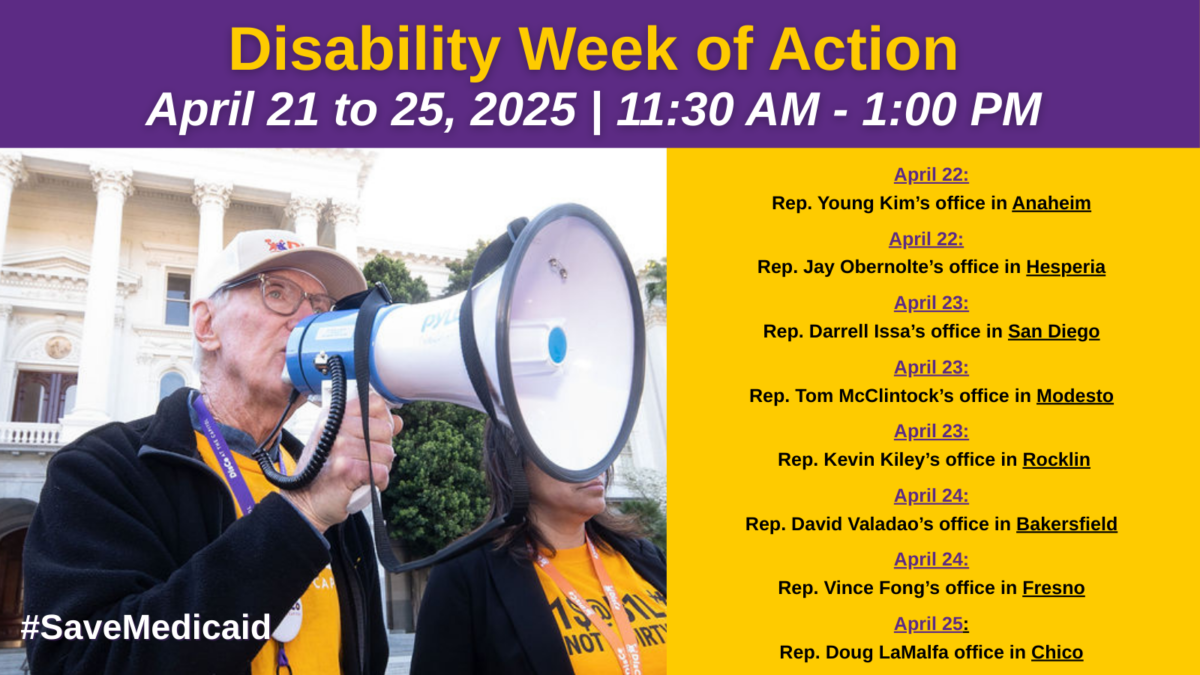
Rallies for Disability Week of Action Planned in Bakersfield, Palm Desert, Anaheim, Santa Barbara, and San Diego Area

Medicaid-funded supports that Californians with disabilities rely on such as Medi-Cal, regional center services, In-Home Support Services and much more, are being threatened. The massive cut to Medicaid that is being proposed right now in Congress are potentially life-threatening for people with disabilities. It is critical that your representative hears your voice, which is why rallies across the state have been organized for a Disability Week of Action..

Please consider joining one of the planned rallies throughout California next week.

  • April 21st in Palm Desert from 11:30 a.m. to 1:00 p.m.: Rep. Ken Calvert’s office, 73710 Fred Warning Drive
  • April 22nd in Anaheim from 11:30 a.m. to 1:00 p.m.: Rep. Young Kim’s office, 180 N. Riverview Drive
  • April 22 in Hesperia from 11:30 a.m. to 1:00 p.m.: Rep. Jay Obernolte’s office, 9700 Seventh Ave.
  • April 23rd in San Diego from 11:30 a.m. to 1:00 p.m.: Rep. Darrell Issa’s office, 10601 Magnolia Drive, Bldg 6, Santee
  • April 23 in Modesto from 11:30 a.m. to 1:00 p.m.: Rep. Tom McClintock’s office, 1020 15th Street
  • April 23 in Rocklin from 11:30 a.m. to 1:00 p.m.: Rep. Kevin Kiley’s office, 6538 Lontree Blvd
  • April 24th in Bakersfield from 11:30 a.m. to 1:00 p.m.: Rep. David Valadao’s office, 2700 M street
  • April 24th in Fresno from 11:30 a.m. to 1:00 p.m.: Rep. Vince Fong’s office, 2187 Herndon Avenue., Clovis
  • April 25 in Chico from 11:30 a.m. to 1:00 p.m.: Rep. Doug LaMalfa office, 120 Independence Circle

Click HERE to watch parent-advocate Felisa Strickland and her daughter Lily and Jordan Lindsey, Executive Director of The Arc of California discuss the importance of protecting Medicaid-funded services with KCRA news.

Advocates Unite at Disability Policy Seminar: Protecting Medicaid and Empowering the Disability Community

By Melissa Crisp-Cooper, Associate Director of Participant Experience, The Arc of San Francisco

Last week, I had the honor of joining 900 powerful advocates and allies from across the United States at the Disability Policy Seminar in Washington, DC. During the two-day seminar, we heard from many self-advocates, policy professionals, Congressional staff, and members of Congress about Medicaid services and the vital role they play as a lifeline for individuals with developmental disabilities and their families.

For those of us with developmental disabilities, Medicaid (known as Medi-Cal in California) funds much more than just our healthcare. It supports our day programs, employment assistance, and the direct support professionals who help us live independently and access our communities. Programs like respite care and family resource centers offer our parents and caregivers critical information to help us live full lives.

We heard from many policy professionals and individuals who work on Capitol Hill about how cuts to Medicaid funding would impact our lives. They highlighted the fact that many Medicaid-funded services like Home and Community Based Services (HCBS) are considered optional and do not have to receive federal funding. We also learned how special education services may be affected by recent changes, as well as the importance of direct support professionals in the lives of people with disabilities.

Many sessions focused on how we could best communicate our messages to members of Congress and their staff. We learned that our stories are powerful tools to demonstrate to our elected officials how crucial these programs are to each of us.

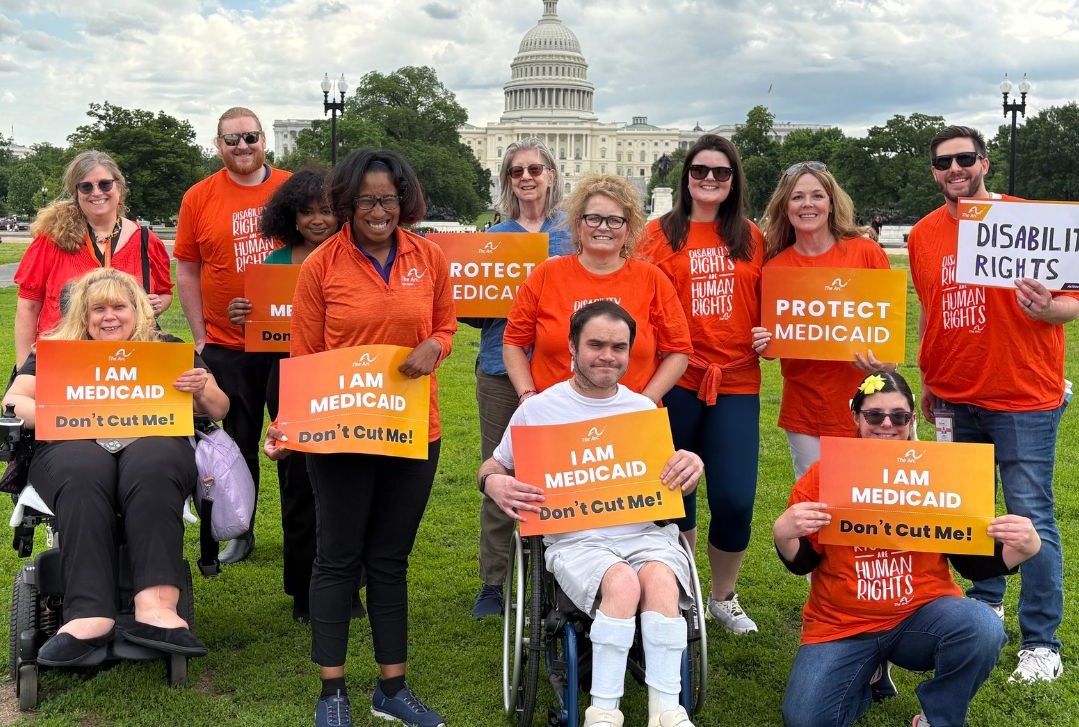
The day after the seminar, our mighty California coalition joined a rally outside the Capitol with other advocates from the Disability Policy Seminar, who shared their impactful stories. At the rally, we chanted, “I am Medicaid, don’t cut me!” Then, we met with our Representatives and their staff to share our stories and deliver our messages: Protect Medicaid, protect special education services, and safeguard other disability services.

Whether you are an individual with disabilities, a direct support professional, a family member, a colleague, a neighbor, a special educator, a medical professional, or an ally of an individual with disabilities, your voice matters. Please urge your members of Congress to reject any cuts to Medicaid or other vital services that support the disability community.

Here are four ways to get involved and make a difference:

1) Email or call your elected officials: Click HERE to find your legislator.

2) Record a video message to share your story: Click HERE to share your story with The Arc so they can help get it to the right legislators.

3) Attend a disability rights rally next week during Disability Action Week: Click HERE to download flyer

4) Power our advocacy efforts: Make a donation to The Arc of California or to one of it’s local chapters.

Proposed Medicaid Cuts Threaten California Families: The Carr-Ramos Family Story

Like many parents and caregivers in California with a family member who has a developmental disability, Sherrean Carr is “petrified” about what might happen to her daughter, Taylor, if federal budget cuts target Medicaid funding.

If Congress passes a budget that includes a proposed $880 billion cut, California would see a $10 billion reduction in Medi-Cal funding each year for the next decade. This would significantly impact the disability services system in California, which over 520,000 children and adults with developmental disabilities depend on for essential services and support.

Taylor, 31, lives in a subsidized housing unit for people with disabilities in Gilroy, CA. She has multiple disabilities, including cerebral palsy and a severe seizure disorder. Every day, she takes 41 anti-seizure medications, along with various other prescriptions for her different conditions.

“My beautiful daughter has the highest level of need possible when it comes to relying on disability services and supports,” Sherrean said. Taylor is non-verbal, unable to walk, and requires 24-hour care and supported living.

“I really wish I didn’t have to rely on these services, but this is the life we were given.”

Sherrean and Taylor’s father, Dave Ramos, are retired and live on a limited income. They pay for their daughter’s out-of-pocket care costs that Medi-Cal, Medicare, or SSDI do not cover.

“If I had to pay for her medications alone, it would cost between $8,000 and $10,000 a month. We would be bankrupt and homeless within a month. That’s just for her medications—not including her medical equipment and specialized nutritional needs,”

Sherrean explained. “Without Medicaid, it would be life-threatening. Taylor wouldn’t survive a day without her medications.”

Medi-Cal programs, funded in-part by Medicaid, support Taylor’s entire well-being. She wears orthotics, needs dental cleanings under general anesthesia, and receives CalFresh benefits for food assistance, diapers, medical supplies, a wheelchair, and a gait trainer, among other necessities. Direct support professionals from the San Andreas Regional Center and In-Home Support Services (IHSS) provide 24-hour care for Taylor, helping with personal hygiene, dressing, mobility, community outings, and administering medications. The Eden Housing apartment complex where they live is specifically designed for people with disabilities, featuring ADA-compliant kitchens and bathrooms, and two bedrooms in each unit so caregivers have a place to sleep.

Sherrean oversees all of Taylor’s support staff and manages a busy schedule of medical appointments to ensure Taylor receives the quality care she needs each day.

“I can’t imagine what will happen to her if Congress approves the proposed cuts to Medicaid,” Sherrean said. “I am grateful for the taxpayer dollars that keep my daughter alive and provide her with the best quality of life possible. Taylor’s father and I believe our taxes should support every disabled resident in our state, especially those without other health benefits.”

While Congresswoman Zoe Lofgren, who represents the Carr-Ramos family, has voted against the proposed Medicaid cuts in the House of Representatives, we urge her to share Taylor’s story with her colleagues to highlight the devastating impact these cuts would have on real lives. The following members of Congress voted in favor of the $880 billion Medicaid cut:

  • Rep. Doug LaMalfa, Oroville
  • Rep. Kevin Kiley, Roseville
  • Rep. Tom McClintock, El Dorado
  • Rep. Vince Fong, Bakersfield
  • Rep. David Valadao, Hanford
  • Rep. Jay Obernolte, Big Bear Lake
  • Rep. Young Kim, Anaheim Hills
  • Rep. Ken Calvert, Corona
  • Rep. Darrell Issa, San Diego

If you are a constituent of any of the members of Congress listed above, please join our fight to SAVE MEDICAID by sharing your story with us and your elected officials. Please email us your story with photos to info@thearcca.org or RECORD A VIDEO MESSAGE at mystory.thearcca.org.