





Everything You Need to Know About The Government Shutdown from DDS

Today is the sixth day of the U.S. federal government shut down. Pay has been suspended for roughly 2 million federal workers, with approximately 750,000 ordered not to work and others, such as troops and air traffic control workers, are required to work without compensation until a budget deal is reached.

The federal government provides significant funding to support individuals with developmental disabilities and families, through multiple programs. As of October 1, 2025, federal funding has lapsed. State funding for the California Department of Developmental Services (DDS) programs already has been approved through June 30, 2026. In an effort to keep you informed of potential impacts, shared what the lapse in federal funding could mean:

  • Supplemental Security Income (SSI) payments will continue, although customer service at the Social Security Administration could be impacted. SSI is not impacted by the federal shutdown. SSI is a vital program for many people in California, including individuals with intellectual and developmental disabilities.
  • Medicaid, called Medi-Cal in California, is funded by the State through June 30, 2026, and by the federal government through the end of December 2025. This year, 37 percent of the funding for developmental disabilities services comes through Medi-Cal. While we do not anticipate immediate disruptions, a prolonged shutdown lasting past December 2025 could affect the availability of federal funds.
  • Supplemental Nutrition Assistance Program, called CalFresh in California, October 2025 monthly benefits would be unaffected, according to guidance provided by the U.S. Department of Agriculture’s Food and Nutrition Service. The California Department of Social Services continues to track developments at the federal level and assess potential next steps.
  • Federal agencies must have plans in place for operating without a federal budget. Based upon various laws, it is likely that many federal employees will not be working and will not be paid, so access to information, technical assistance, or other communications with the public may be limited during the shutdown.
  • “Essential” employees, as defined in each federal agency’s plans, will continue to work and be paid. Defense and law enforcement agencies often continue their work. Many Medicare employees are expected to continue working. Many Medicaid employees are expected to continue working too, at least through December 31. The Food and Drug Administration is expected to continue its oversight of drugs and devices. The public can expect less help and slower help from other federal agencies during a federal government shutdown.

We hope this information is helpful. We will share new information with you as it becomes available.

U.S. House of Representatives Passes Budget that Includes Historic Cuts to Disability Services – What’s Next

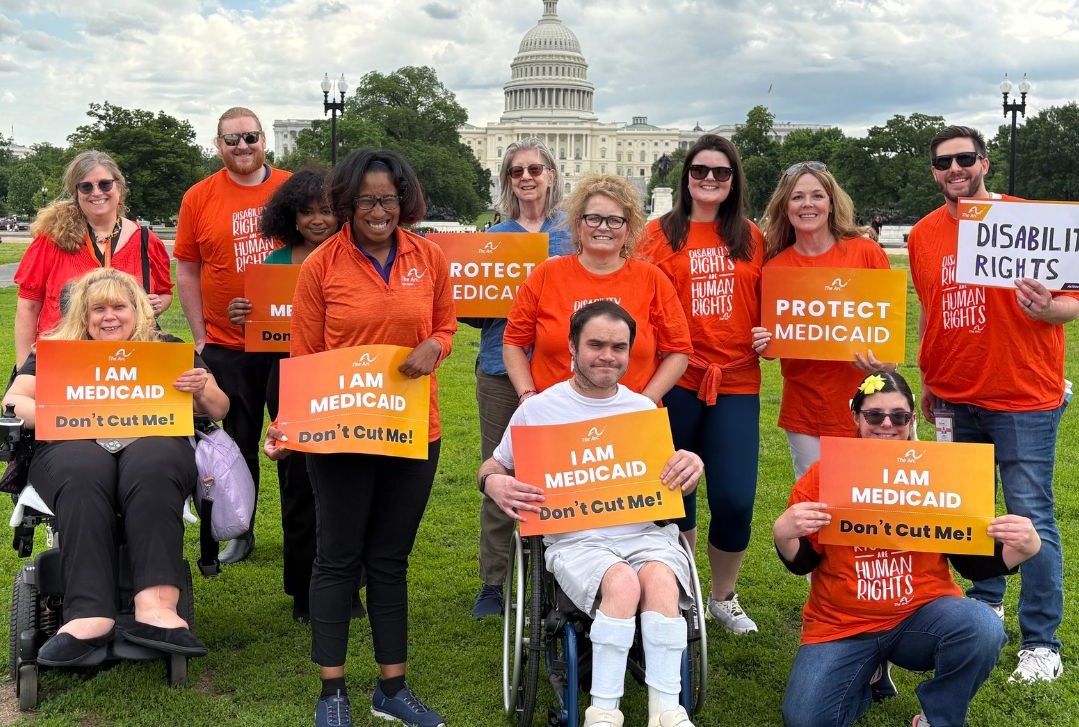
Early last Thursday morning, the U.S. House of Representatives passed a budget reconciliation bill that slashes Medicaid and the Supplemental Nutrition Assistance Program (SNAP) — programs that millions of people with disabilities rely on to survive. In California, those programs include Medi-Cal, regional center services, In-Home Supportive Services (IHSS), early intervention services, school therapies, home health, Cal-Fresh food assistance, and much more.

The vote was along party lines with the exception of two Republicans, Representatives Warren Davidson of Ohio and Thomas Massie of Kentucky, who voted against the bill. Representative Andy Harris of Maryland, chairman of the Freedom Caucus, voted “present,” a protest vote. Despite massive efforts by advocates in California, not a single Republican in our state voted against the cuts, including Representative David Valadao (Bakersfield) who’s district has the most constituents on Medicaid (Medi-Cal) of any district in the country – by far.

The Arc of California urges the U.S. Senate to reject the Medicaid and SNAP cuts in the House passed bill that includes the following policies:

  • $715 billion in cuts to Medicaid that threaten access to health care and essential services. These cuts will impact all people covered by the Medicaid program, including people with disabilities, children, and older adults.
  • Combined with restrictions on Affordable Care Act marketplaces and the expiration of enhanced premium tax credits, these policies could result in 13.7 million people losing health insurance.
  • New administrative barriers that require people with coverage through Medicaid expansion will have to renew their eligibility two times a year, instead of once, which will increase the risk that people with disabilities will incorrectly lose coverage.
  •  $300 billion in cuts to SNAP, a nearly 30% reduction is the largest cut in the program’s history to critical food assistance.
  • New strict work requirements that are designed to reduce enrollment. Nearly 70% of Medicaid beneficiaries are working. A last-minute change to the bill speeds up the implementation of the work requirements.

The Arc will continue to educate every member of Congress on the life-and-death consequences of these cuts—and the need to protect Medicaid and SNAP.

What’s Next and Action Needed:

The bill now moves to the U.S. Senate where changes could be made – this is not over. The Senate is also planning to move quickly to develop their package of amendments. Members of Congress will be out on congressional recess all this week. The time is NOW to reach out to them and tell your story. We can’t stop now! The Arc’s summary of the House bill can be found here.

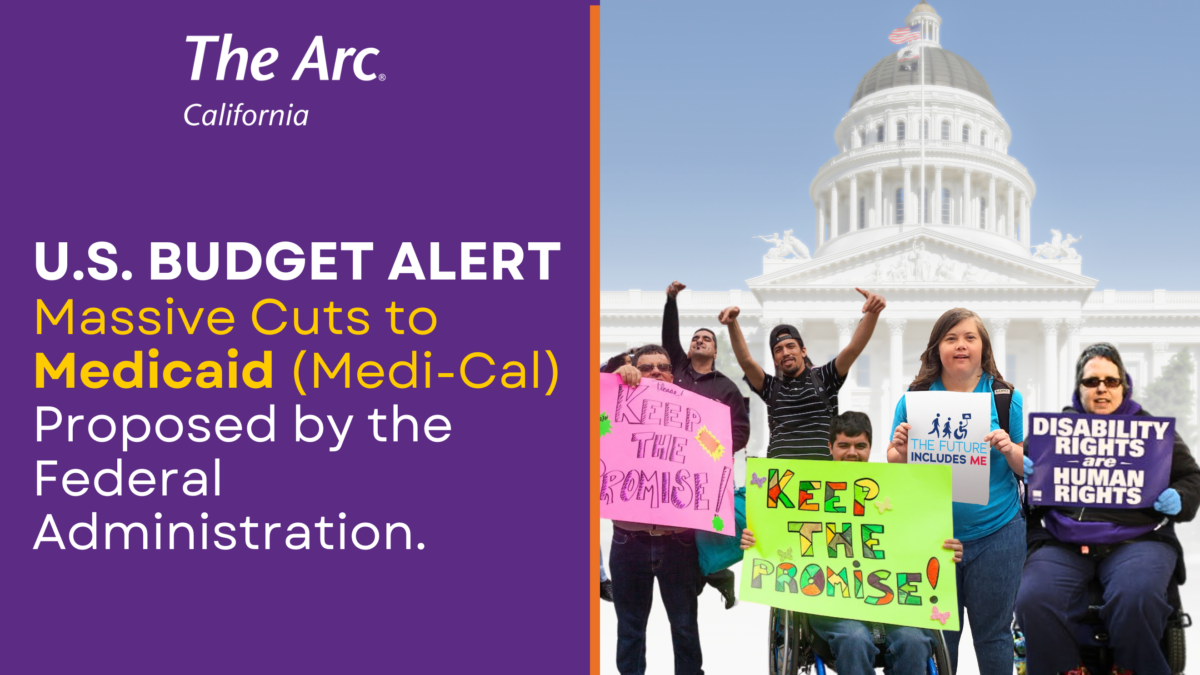
Supports for Californians with Disabilities on Chopping Block as Congress Debates Whether or Not to Cut Medicaid

By Jordan Lindsey, Executive Director, The Arc & UCP California Collaboration

As individuals, families, and advocates have feared, the Republican controlled congress is debating major cuts to health and social services that could dramatically impact the availability of services for Californians with intellectual and developmental disabilities. Speaker Mike Johnson has published a list of possible spending cuts that include $2.3 trillion to Medicaid, with the largest Medicaid cut coming from “Per-Capita Caps”, which means that the federal government would set a cap on the total services and supports any individual could receive throughout their lifetime. For an individual with a lifelong intellectual or developmental disability, this would be catastrophic.

If Congress and President Trump sign a cut to Medicaid into law then California would lose tens of billions of dollars and would likely be forced into cutting programs funded by Medicaid. So, what are those programs? Here is a quick snapshot of services and supports that would be threatened:

  • All regional center services for Californians with intellectual and developmental disabilities and their families (supported living, supported employment, transportation, day programs, respite, early intervention, group homes, and many more).
  • In Home Supportive Services for people with disabilities and seniors (IHSS).
  • Covered health care for people with disabilities, low-income children, pregnant mothers, and other low-income Californians (Medi-Cal).
  • All long-term care services, including nursing facilities, prescription drugs, and home and community-based services.
  • School services and therapies for children on Medi-Cal, including school psychologists, speech and language therapists, personal care aides, nurses, and more.

Californians with disabilities and seniors are especially vulnerable to cuts to Medicaid because they account for just under half of all Medicaid expenditures in California.

Advocates have begun meetings with the nine Republican members of the House of Representatives in California to discuss the importance of Medicaid for people with disabilities, and already Representatives David Valadao and Young Kim have carried this message to Republican leadership. We are looking to the remaining seven members (LaMalfa, Obernolte, Kiley, McClintock, Fong, Calvert, and Issa) to similarly lead efforts in D.C. to protect our community. The Arc and UCP California Collaboration will publish training and advocacy opportunities for all Californians in the coming days.

HOW CAN YOU HELP?

  1. JOIN AN IMPORTANT WEBINAR: On January 29 at 1:00 p.m. (PST) for advocates nationwide to gain essential tools and resources to effectively advocate to save Medicaid in 2025. Click HERE to register.
  2. SIGN UP FOR OUR ACTION ALERTS! It’s important to stay informed and ready to take action. We will notify you when it’s time to testify at a hearing, contact your legislator, join budget briefing, or sign a petition letter.  Click HERE to Sign Up
  3. DONATE TO THE ARC: Help power our advocacy efforts to protect funding for programs and services for Californians with developmental disabilities, their families and the dedicated professionals who provide daily supports. Click HERE to donate.

Thank you for your advocacy. It’s going to take our entire community to join forces and protect our safety net of services.