





 Search
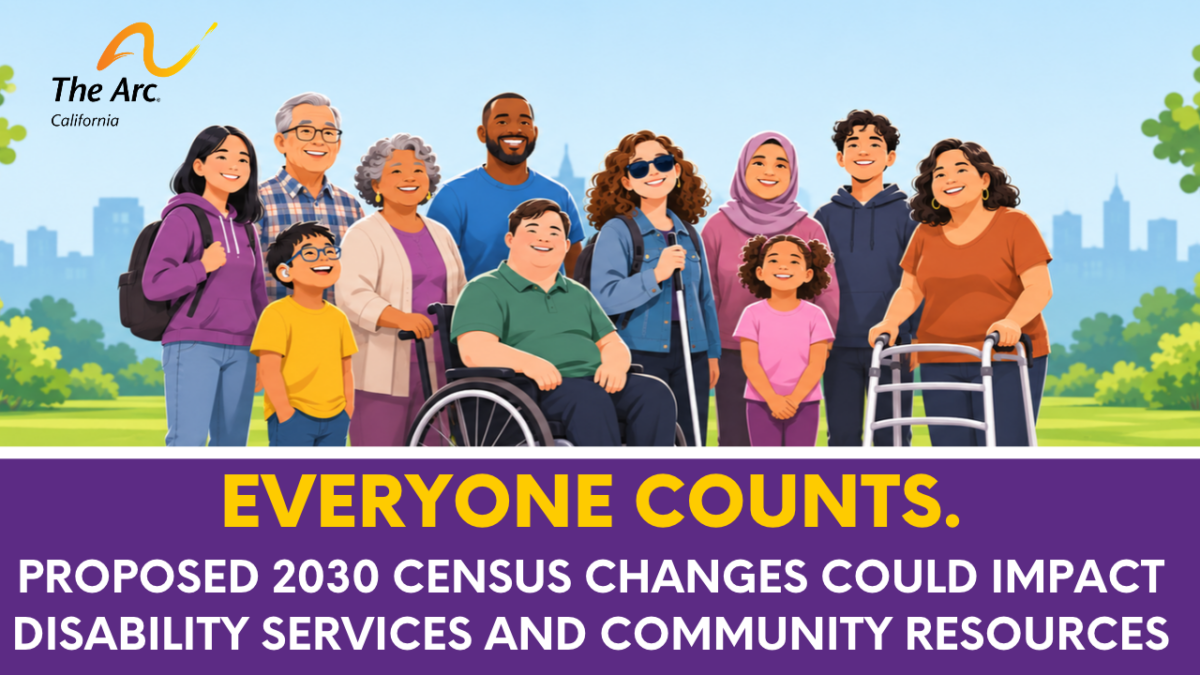
The Trump Administration is proposing changes to the 2030 Census that could leave people out of the count and make it harder to understand what our communities need. For people with disabilities and their families, the consequences could reach schools, housing, transportation, and other essential services.
Why does the census matter?
Every 10 years, the census counts the people living in the United States. That count helps determine representation in Congress and how public funding is distributed. State and local governments also use census data to plan services.
When people are missed, their needs do not disappear. Instead, communities can end up with fewer resources to meet those needs.
What would change?
The proposal would change who is counted and where they are counted, tying residence rules to tax records and immigration status rather than simply where people live. It would exclude many noncitizens, including some people living legally in the United States on work or student visas.
The proposed residence changes also raise concerns about whether people with disabilities living in nursing homes, group homes, and other residential settings would be counted accurately.
In addition, the proposal would restrict demographic questions, including questions about race and ethnicity. These data help identify unequal access to services and support civil rights enforcement.
What could this mean for the disability community?
People with disabilities live in every community. An undercount could affect resources available for accessible housing, transportation, emergency planning, and education.
Special education is one important example. Federal funding formulas use child population data to help distribute money for special education and early intervention services. Missing children in the count could mean states receive a smaller share of funding than their populations warrant.
Less information about race and ethnicity would also make it harder to identify gaps in services for people with disabilities who are members of communities of color, and to assess whether efforts to close those gaps are working.
Everyone deserves to be counted
An accurate census helps communities plan for the people who actually live there. These are proposed changes, and the stakes deserve public attention. People with disabilities and their families need a census that makes their communities visible and helps ensure resources reach the people who need them.